VN 94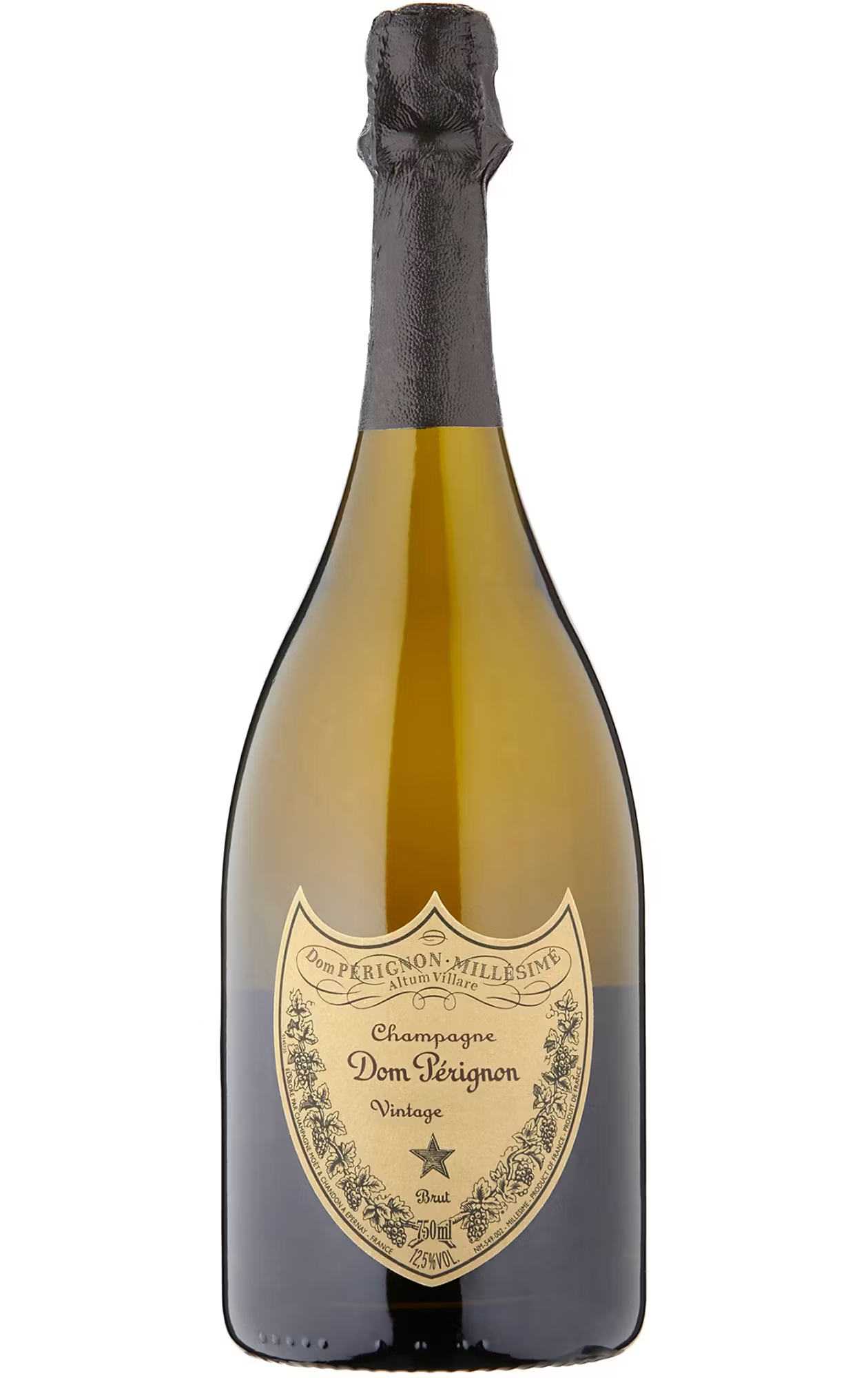

You have no items in your shopping cart.
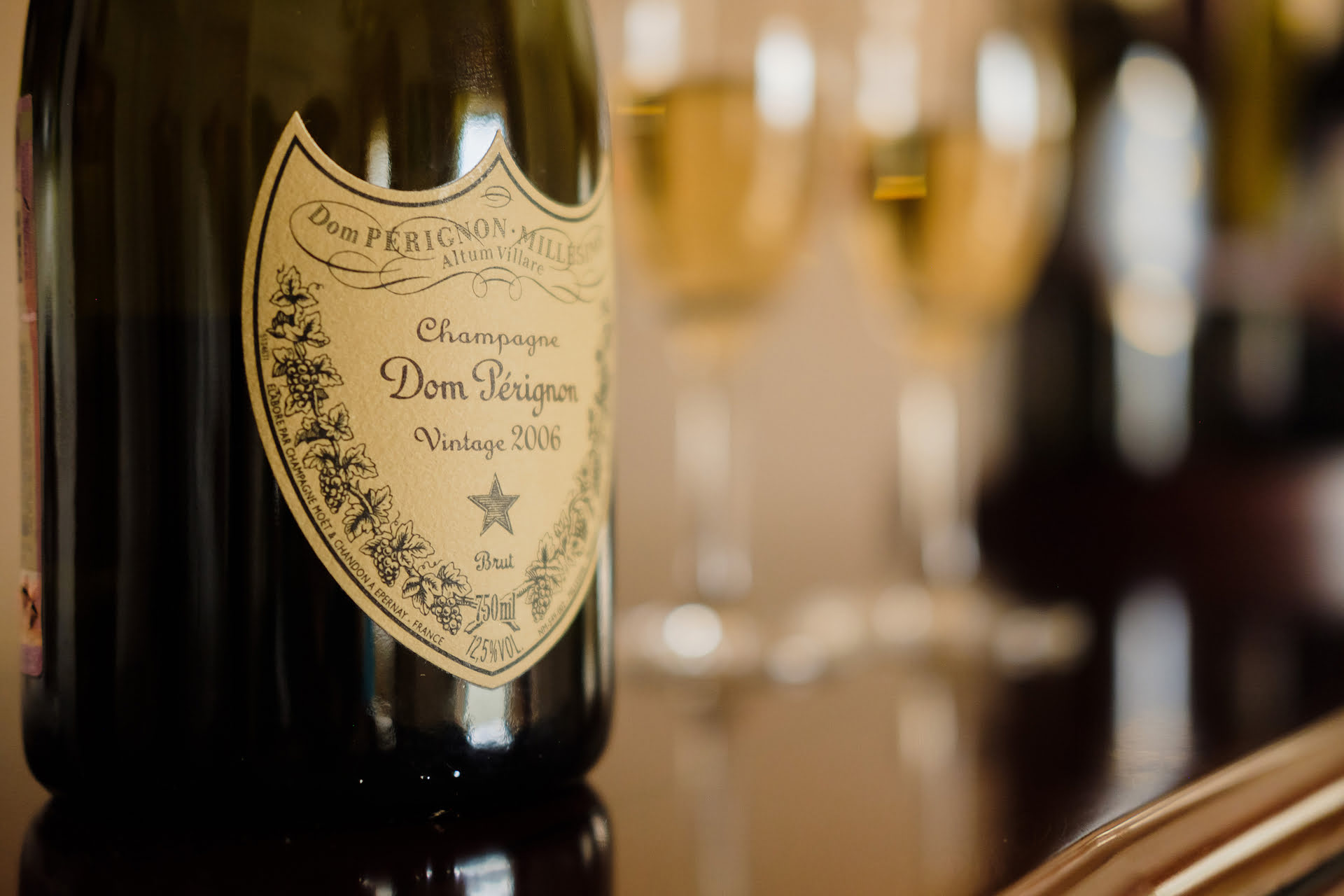

Renowned worldwide, Dom Pérignon epitomises the epitome of luxury in the Champagne industry, yet a significant number of enthusiasts remain unaware of the unique approach to winemaking that distinguishes Dom Pérignon, as well as the diverse range of its Champagne offerings.
An essential piece of knowledge for those who cherish Champagne is that Dom Pérignon exclusively produces vintage Champagne, signifying that each of its creations is comprised solely of grapes harvested in a specific year, or "vintage." This practice is particularly noteworthy as it diverges from the approach of many other Champagne producers who blend grapes from various years to create non-vintage Champagnes, ensuring a consistent flavour profile year after year regardless of the varying climatic conditions or other environmental factors that might influence the grape harvest.
In exceptional years, other Champagne houses might also produce a vintage Champagne. However, the singular dedication of Dom Pérignon to vintage Champagnes truly sets it apart. Vincent Chaperon, the esteemed cellar master, is committed to encapsulating the distinct character of each year's harvest, challenging the limits of Champagne production while maintaining the unmistakable essence of Dom Pérignon with each new release. Every glass offers a journey through the rich history of Champagne and a taste of the specific year the grapes were cultivated.
Beyond its famed vintage Champagnes, Dom Pérignon also crafts other exceptional products worthy of exploration. On particular occasions, the estate releases a rosé Champagne, a celebration of the pinot noir grape, known for its robust, fruit-driven profile that stands out against the backdrop of traditional Champagnes. The latest rosé vintage from 2008 marked the inaugural rosé under Chaperon's stewardship as cellar master, a year celebrated as one of the most exceptional in the annals of Champagne, rendering this rosé an extraordinary offering.
The narrative of Dom Pérignon is further enriched by the extensive ageing process its Champagnes undergo. While regulations stipulate a minimum ageing period of 15 months for all Champagnes, luxury brands often extend this ageing far beyond the minimum. At Dom Pérignon, it is customary for Champagnes to mature for no less than seven years, and for select vintages, a portion is reserved for even more prolonged ageing. Plénitude 2, for instance, matures for approximately 15 years, allowing the Champagne to evolve and gain a heightened level of complexity, ultimately metamorphosing into a beverage that transcends its original character.