VN 92-94
Bachelet-Monnot Puligny-Montrachet Premier Cru Les Folatieres 2019
Puligny-Montrachet, Burgundy, France
£164.80 In Bond
Case of 6 •£27.47 / btl In Stock

You have no items in your shopping cart.
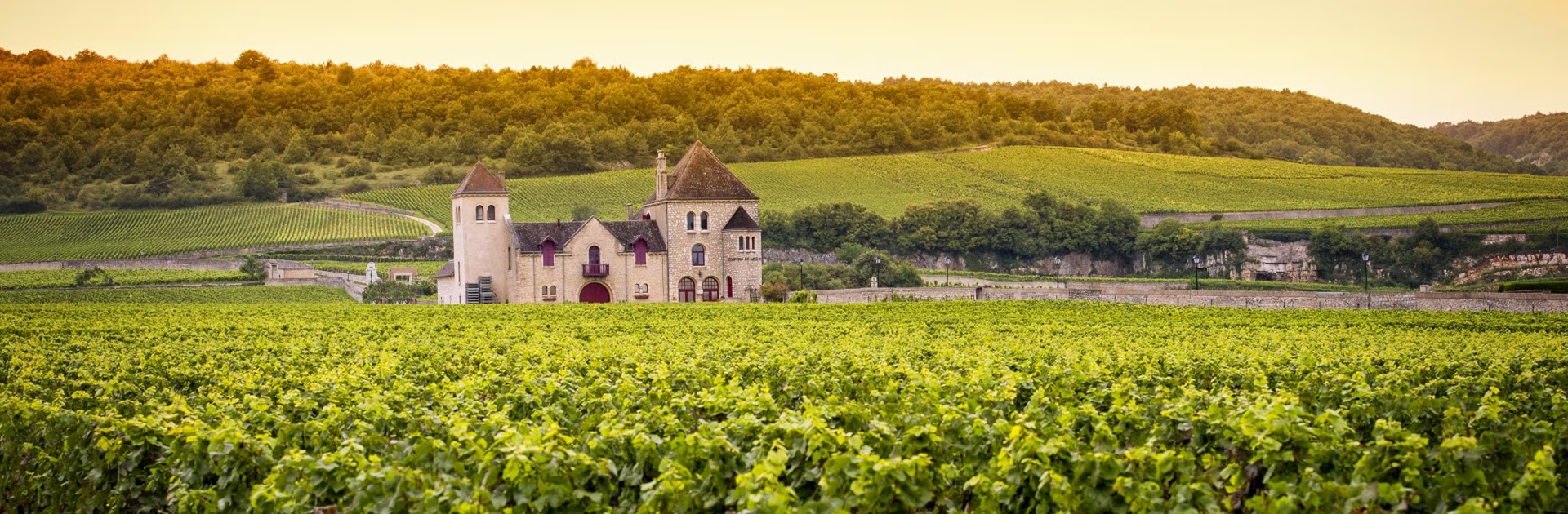
Puligny-Montrachet, Burgundy, France
Charmes-Chambertin, Burgundy, France
Charmes-Chambertin, Burgundy, France
Gevrey-Chambertin, Burgundy, France
Vosne-Romanee, Burgundy, France
Clos de la Roche, Burgundy, France
Chambertin-Clos de Beze, Burgundy, France
Charmes-Chambertin, Burgundy, France
Charmes-Chambertin, Burgundy, France
Clos de la Roche, Burgundy, France
Gevrey-Chambertin, Burgundy, France
Gevrey-Chambertin, Burgundy, France
Gevrey-Chambertin, Burgundy, France
Gevrey-Chambertin, Burgundy, France
Gevrey-Chambertin, Burgundy, France
Gevrey-Chambertin, Burgundy, France
Gevrey-Chambertin, Burgundy, France
Gevrey-Chambertin, Burgundy, France
Gevrey-Chambertin, Burgundy, France
Gevrey-Chambertin, Burgundy, France
Mazy-Chambertin, Burgundy, France
Ruchottes-Chambertin, Burgundy, France
Bonnes Mares, Burgundy, France
Bonnes Mares, Burgundy, France
Burgundy wine, originating from the Burgundy region in eastern France, stands as a paragon of viticulture, celebrated for its rich history and exceptional quality. This region, with its diverse terroir, yields a variety of wines that have captivated connoisseurs and casual drinkers alike. The heart of Burgundy's winemaking tradition lies in its meticulous attention to the concept of "terroir," a French term that encapsulates the unique combination of climate, soil, and landscape where the vines grow. This principle underlines the distinctiveness of Burgundy wines, making each bottle a reflection of its specific origin.
The wine spectrum in Burgundy ranges broadly, predominantly featuring Pinot Noir and Chardonnay grapes. Red Burgundy, primarily made from Pinot Noir, is renowned for its deep, complex flavors that evolve with age, offering a spectrum from vibrant red fruits to more nuanced earthy and floral notes. White Burgundy, crafted mainly from Chardonnay, showcases versatility from crisp, mineral-driven wines with bright acidity to richer, oak-aged varieties exuding buttery and nutty flavors.
Burgundy's classification system, another hallmark of its winemaking tradition, adds layers of understanding and appreciation for its wines. From the prestigious Grand Cru vineyards, known for producing the region's most esteemed and age-worthy wines, to the more accessible Regional and Village appellations, the classification guides enthusiasts in navigating the complexity of Burgundy's offerings.
The allure of Burgundy wine lies not just in its flavors but also in its embodiment of a centuries-old winemaking legacy. It represents a harmony between nature and artisanal craftsmanship, where each vineyard, no matter its size, contributes to the mosaic of tastes and stories that is Burgundy wine.